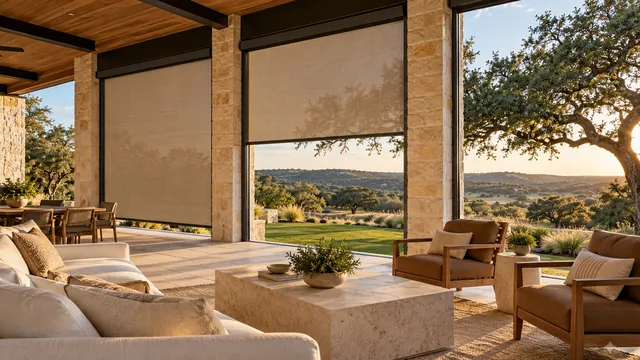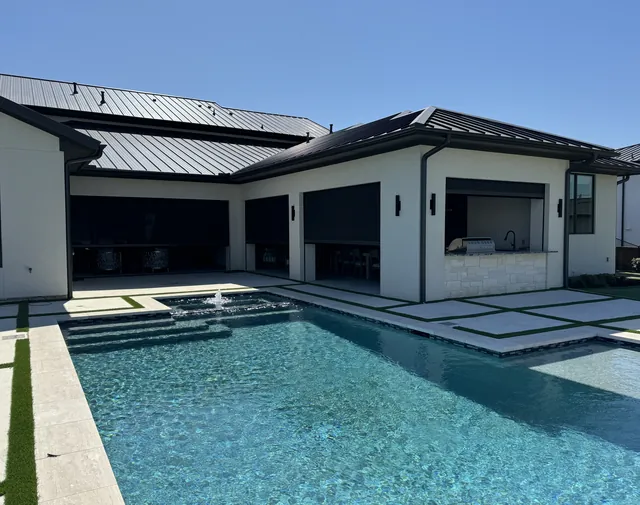
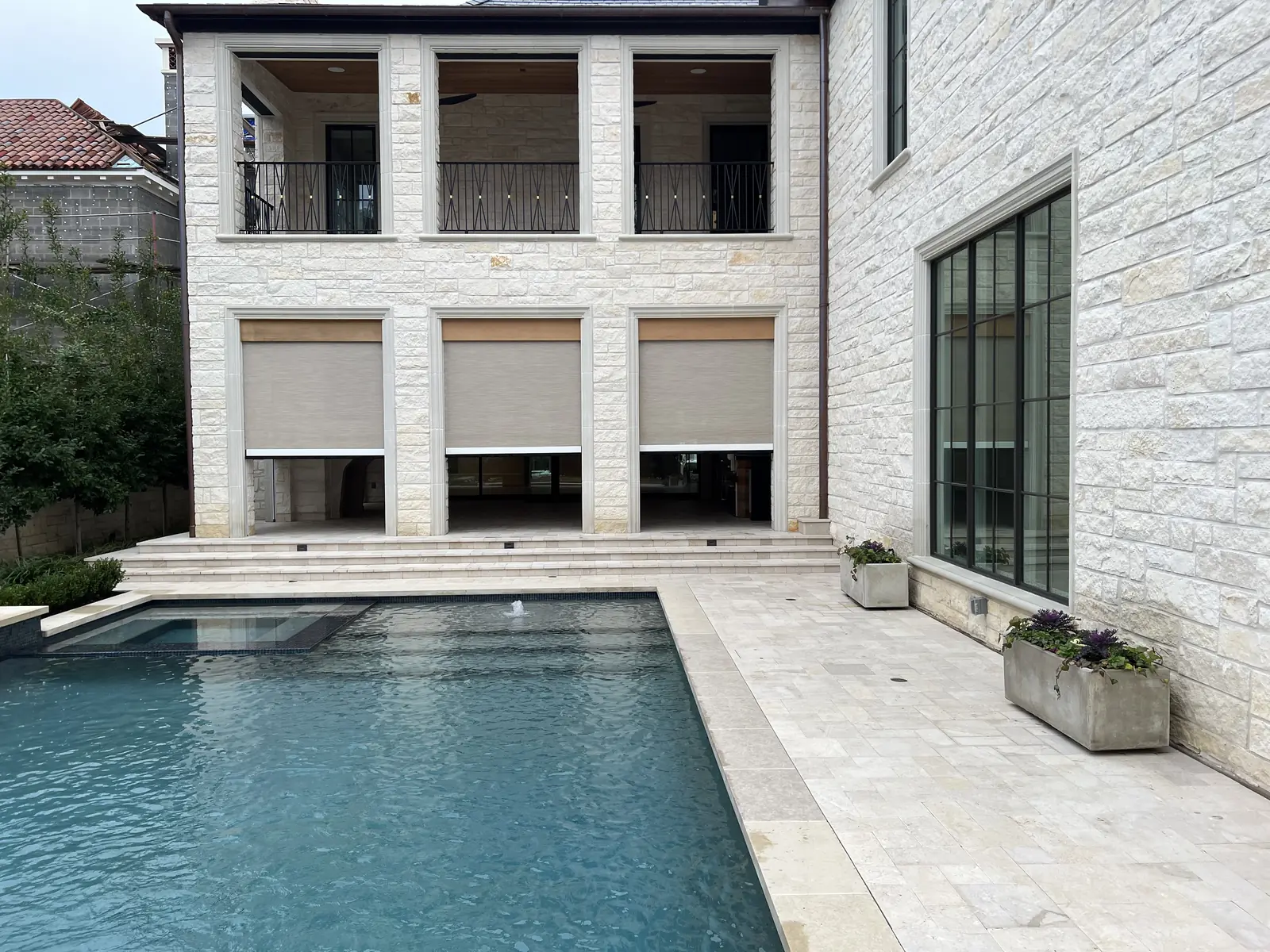
The honest answer to what patio screens cost is that it depends, and the honest reason is that every screen is made to the measurements of one opening. A single screen on a modest opening and a wall of motorized screens with glass panels and full automation are different projects by an order of magnitude, and a sticker price would only mislead you. What is not a mystery is what moves the number. If you know the four or five things that set the price, the free call is enough to tell you whether what you have in mind sits in a sensible range before anyone drives out to measure.
Made to MeasureWhy There’s No Sticker Price
Screens are not an off-the-shelf product you carry out of a store; each one is manufactured to the width and height of a specific opening, in a chosen fabric, with a chosen way to control it. That is what makes them fit cleanly and last, and it is also why a single advertised price would be meaningless — it would either overprice a simple job or wildly underprice a real one. We price after we measure, so the number reflects your patio rather than an average. The good news is that the things that drive it are easy to understand before we ever visit.
SizeThe Opening Itself
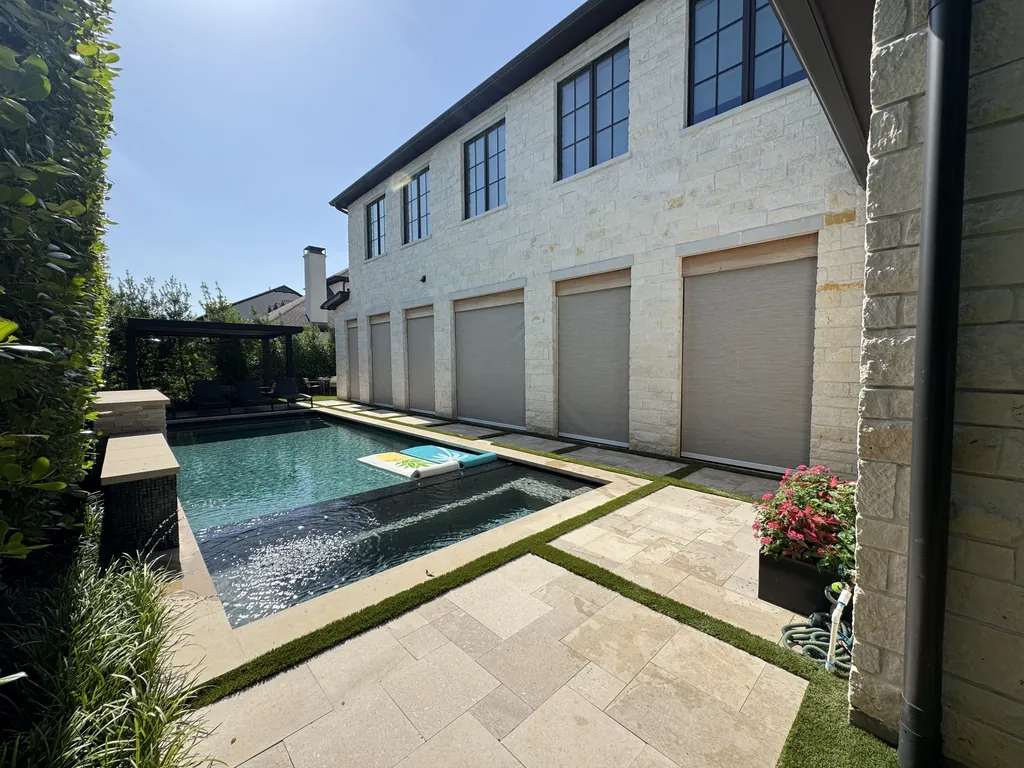
The biggest lever is simply how big the opening is. A wider, taller opening needs more fabric, a larger roller and motor, and longer tracks, so it costs more than a modest one — and a patio with four openings costs more than a patio with one. This is why the first thing we ask about on the call is the openings: how many, and roughly how wide and tall. It is also why photos help so much; a few pictures tell us more about scale than a paragraph of description, and let us give you a realistic range faster.
The FabricThe Weave You Choose
The fabric is the next lever. The premium Phifer and designer weaves cost more than our house fabric, which we offer in black in three weaves specifically as the value choice. On most patios the difference between a mid-range and a top fabric is real but not dramatic against the cost of the motor and installation, so we help you spend where it matters — a tighter, better weave on the hard west opening you look through every evening, and the value fabric where the view matters more than the color. Fabric is where a budget flexes most comfortably.
Motorized or FixedMovement Costs
Movement is what you pay for. A motorized screen carries a Somfy motor and the wiring and programming behind it; a fixed panel is a frame and an infill with none of that, so it costs considerably less. This is the single biggest way to control a budget without giving anything up: put motorized screens only on the openings you actually want to open and close, and use fixed panels on the sides that stay shut anyway. Most patios end up with a mix for exactly this reason — you buy movement where it is worth it and not where it is not.
ControlA Remote, or the Whole House
How the screens are controlled is the last lever. The baseline is a handheld remote, which is included and works. Above that is integration: because Outdoor Shades is a Blue Note A/V company, we can put the screens on your ELAN or Control4 system — or a Somfy TaHoma hub — on a timeclock, behind a wind sensor and inside one-button scenes. That adds programming to the price, and for some patios it is the best money in the project; for others a remote is plenty. We scope it to how you will actually use the patio rather than selling automation you do not want.
The QuoteOne Written Price
When we visit, we measure every opening, confirm the fabric and the controls, and give you one written price for the whole project — not a per-item menu you have to assemble, and not a number that moves later. That single number is the commitment: it covers the screens, the panels, the motors, the wiring and the installation by the same people who measured. There are no surprises on the invoice because the price is set before the work starts, which is the way it should be and the way we have always done it.
The First StepStart With the Free Call
Before any of that, the free call costs nothing and takes about fifteen minutes. We talk through the patio, which way it faces, the openings and what you want from them, and by the end we can both tell whether screens are the right answer and roughly what they involve — including whether what you have in mind sits in a sensible range. If it does, we book the visit; if screens are not right for your patio, we will say so. A few photographs of the openings are usually enough for a first, honest answer.
Sources. outdoorshades.com (our own site) — October 2026.